Healing Starts at Home (and Beyond): How Your Living Environment Shapes Heart Recovery
Healing Starts at Home: How Your Living Environment Shapes Heart Recovery
When you're recovering from a heart attack, stroke, or surgery, the advice is clear: diet, exercise, and medication. But what if there's a missing piece to the puzzle? One that's silently shaping your recovery every single day?
That missing piece is your living environment. From the air you breathe while you sleep to the stress of your commute, your surroundings can either heal or hinder your heart.
At Healos™, we see health as an entire ecosystem. True recovery isn't a solo journey; it's a supportive loop where your environment, your habits, and your body work together as one.

Your 24/7 Heart-Healing Environment
Your body is always working to heal. Here's how to ensure your environment is helping, not hurting.
1. The Sleep Sanctuary (One-Third of Your Life) 🌙
This is where your body repairs itself. A poor sleep environment can add stress that raises blood pressure and inflammation while you rest.
Air Quality: Mold, dust, or poor ventilation can add unseen stress to your heart.
Noise & Light: Streetlights, device screens, or constant noise disrupt the natural rhythm your body needs to heal.
Sleep Hygiene: A cluttered, chaotic space makes true, deep repair nearly impossible.
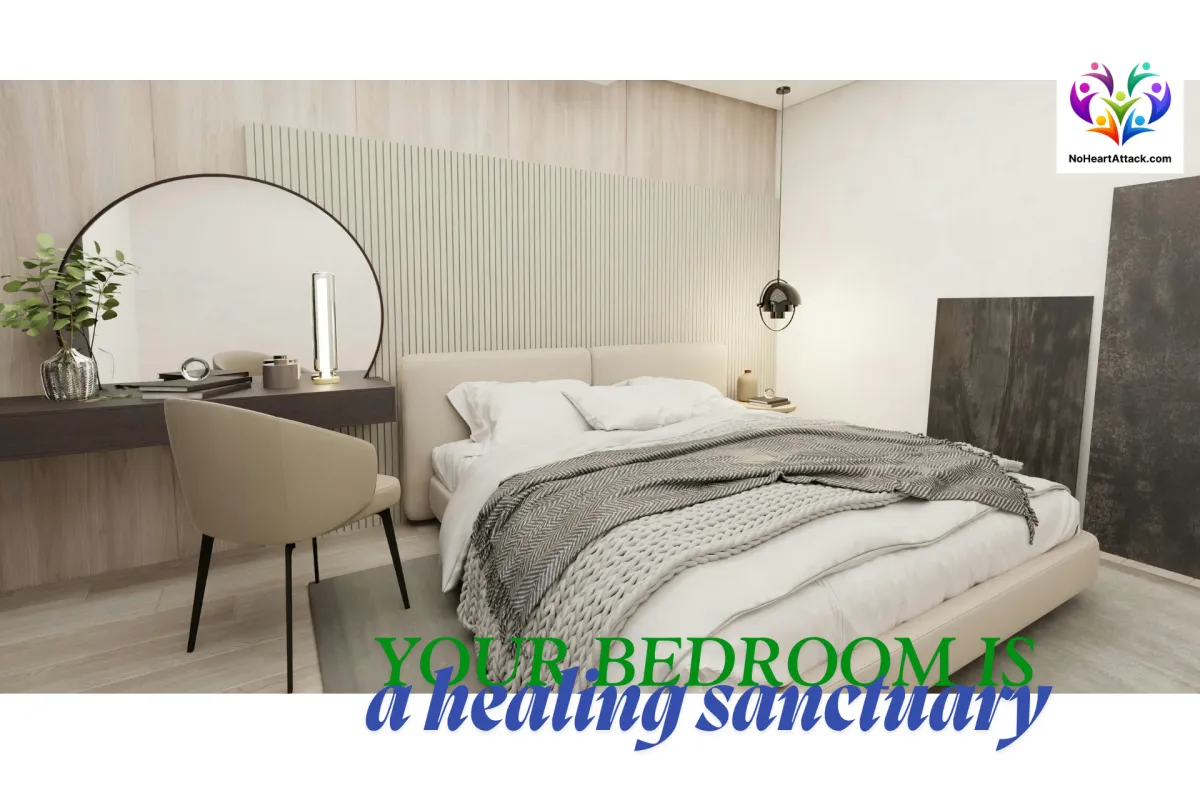
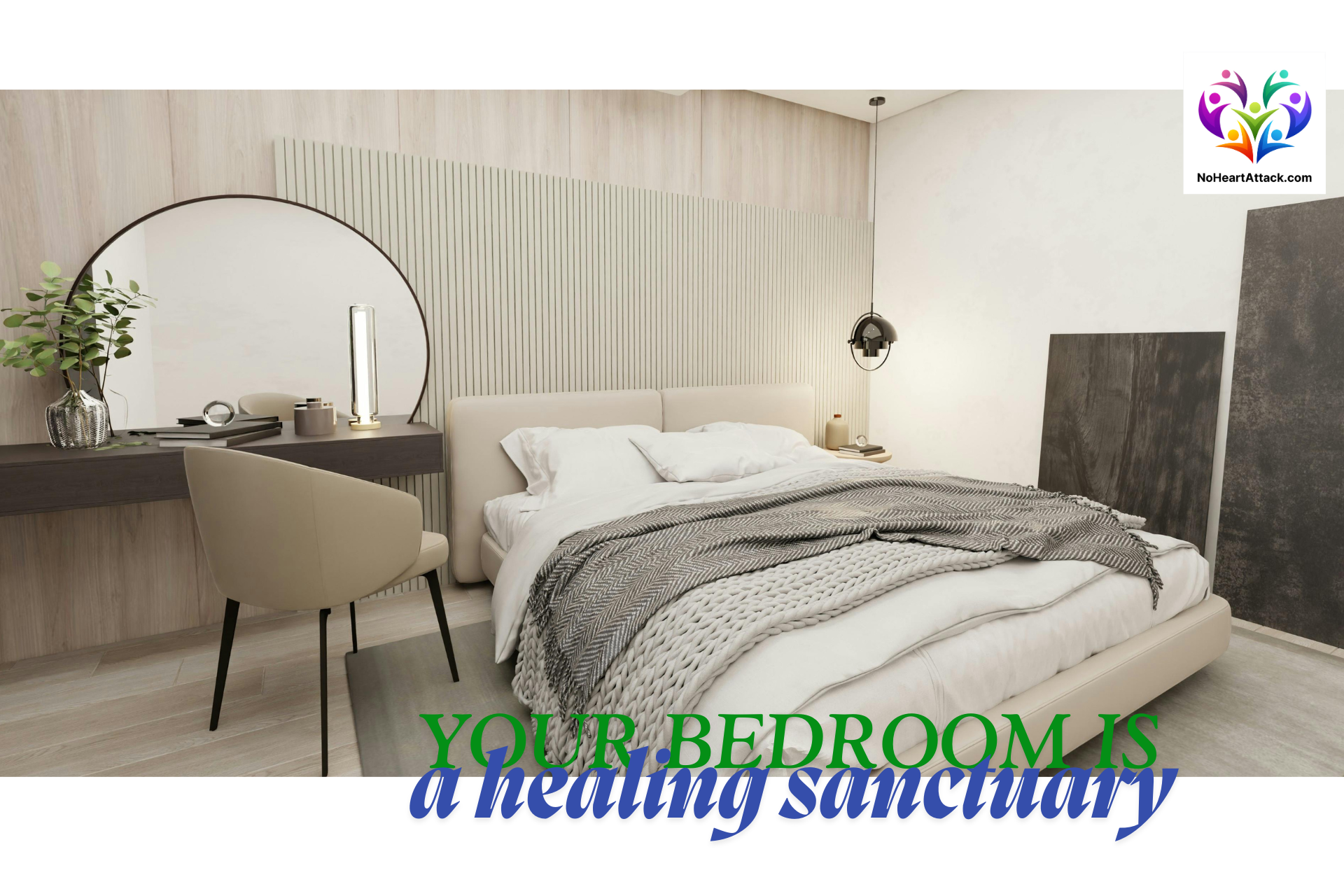
👉 Your bedroom should be cool, dark, clean, and quiet—a true healing sanctuary for your heart.
(Discover why sleep is the strongest medicine in our Sleep Blog)
2. Your Daily Living Spaces (The Other Two-Thirds) ☀️
Your waking hours are just as critical. The spaces you spend most of your time in are either sources of stress or calm.
Your Home: An uncluttered, organized home kitchen is the foundation for healthy eating. A peaceful living room can be your haven for stress-free relaxation.
Your Workplace: Long hours of sitting, poor lighting, and constant noise can silently increase your stress levels and blood pressure. Even simple changes like adding a plant or taking a walk can make a difference.
👉 Your daily environment is your body's constant companion. Simple improvements can profoundly impact your mood and heart health.
(See how small habits can anchor your recovery in our Lifestyle Blog)
3. Hidden Risks in High-Exposure Jobs ⚠️
For some, work environments pose a unique challenge. Returning to a job with dangerous exposures can add a heavy burden on a recovering heart.
Dangerous Exposures: Dust (mining), heavy metals (smelting), chemicals (plants), or chronic noise (construction).
The Hidden Cost: These exposures can cause invisible inflammation and strain your cardiovascular system.
👉 How to Protect Yourself:
Always be aware of hazard labels and wear protective gear.
Ensure proper ventilation in your workspace.
Take frequent recovery breaks to reduce cumulative stress.
(Explore how lab data can help you track inflammation in our Blood Test Blog)

The Healos™ Advantage: Your Data-Driven Shield
Healos™ doesn't just give you advice; it empowers you to actively manage your health. Our integrated system turns your environment, habits, and data into a powerful shield against daily risks.
It supports your body's natural defenses with clean nutrition.
It guides safer choices in your home and work to reduce toxic burden.
It strengthens your resilience through better sleep and emotional well-being.
It measures your progress with lab data and wearables, turning hope into visible results.
👉 With Healos™, you're not just recovering; you're building a lasting shield for your heart.
(Explore the full Healos™ Integrated System and learn how we help you close the loop between prevention and recovery.)
Practical Tips for a Healthier Environment
Bedroom Reset: Use blackout curtains, get a HEPA air filter, and declutter to create a restful space.
Home Routine: Use natural cleaners, bring in indoor plants, and ensure you get fresh airflow.
Workplace: Take standing or walking breaks, reduce background noise, and ensure ergonomic support.
High-Risk Jobs: Understand your materials, use all protective gear, and advocate for safety measures.
Ready to take control of your environment?
[Find Your Personalized Plan →] (Take the H-Index Health Audit today)
[Download Your Sleep & Repair Checklist →] (Download your Sleep & Repair Checklist)
