The Hope Molecule: What PGC-1α Is and Why It Matters for Your Heart?
The Hope Molecule: What PGC-1α Is and Why It Matters for Your Heart
Named by Scientists Who Understood What It Could Do
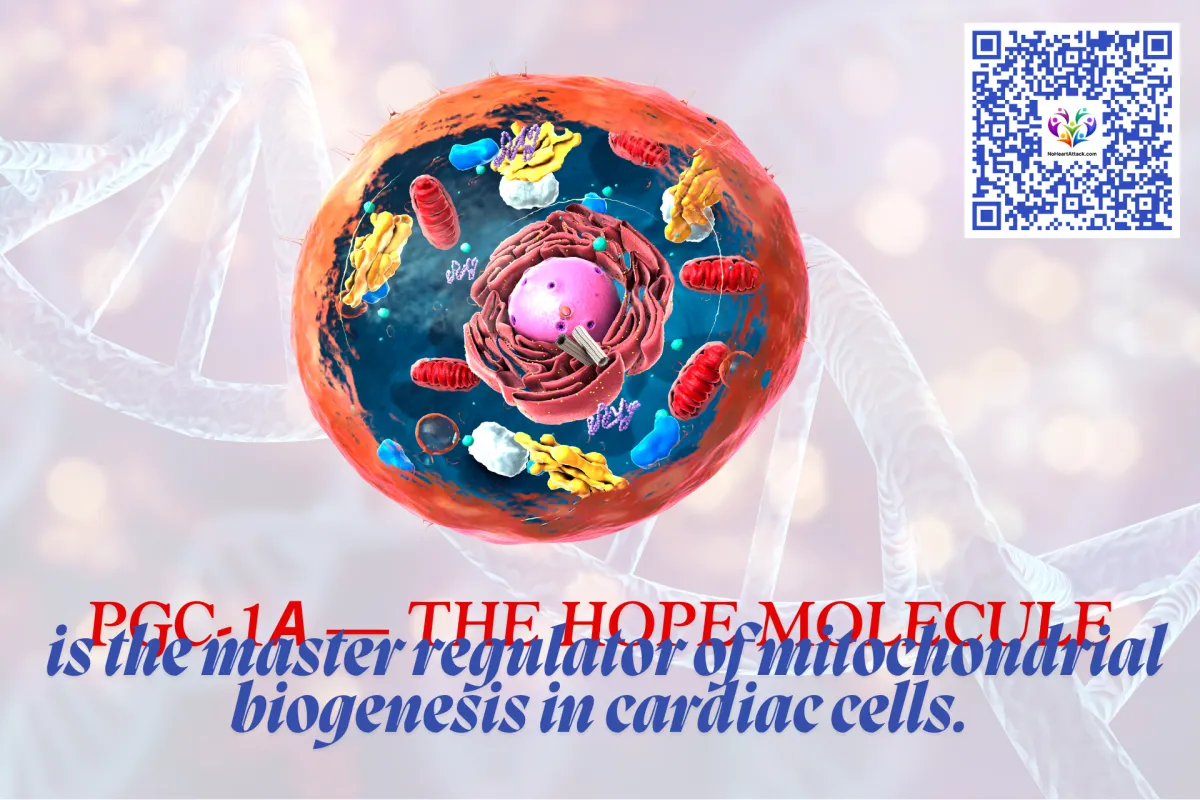
PGC-1α was given the name ‘Hope Molecule’ by researchers who recognised it as the master switch of cellular energy and repair — a molecule whose activation could slow the progression of cardiovascular disease.
PGC-1α (peroxisome proliferator-activated receptor gamma coactivator 1-alpha) addresses the precise biological mechanism underlying most cardiovascular disease progression: mitochondrial deterioration.
What PGC-1α Does
PGC-1α is a transcriptional coactivator whose primary function is coordinating mitochondrial biogenesis — the generation of new mitochondria to replace damaged ones. Cardiac muscle cells have the highest mitochondrial density of any cell in the body because the heart requires uninterrupted, high-level energy production 24 hours a day. As cardiovascular disease progresses, mitochondrial function deteriorates and PGC-1α activity declines.
Activating PGC-1α doesn't treat a symptom of cardiovascular disease. It addresses the cellular energy crisis that drives it.
Four Functions of PGC-1α in Cardiovascular Health
1. Mitochondrial Biogenesis
Activates genes responsible for generating new mitochondria within cardiac cells — directly addressing the energy production deficit that characterises heart failure and cardiomyopathy.
2. Oxidative Stress Regulation
Induces expression of ROS-detoxifying enzymes — superoxide dismutase and catalase — that neutralise free radicals within cardiac tissue, reducing the oxidative damage that drives vascular inflammation.
3. Metabolic Flexibility
Regulates switching between fatty acid oxidation and glucose metabolism in cardiac cells. Impaired metabolic flexibility is a marker of early cardiac dysfunction. PGC-1α activation restores the cell’s ability to use available fuel efficiently.
4. Inflammation Modulation
Emerging research links PGC-1α activation with reduced expression of pro-inflammatory cytokines in cardiac tissue.
How H2 and PQQ Activate PGC-1α
H2 Pathway
H2 activates AMPK — the cellular energy sensor that triggers PGC-1α expression as part of the cellular energy restoration response.
PQQ Pathway
PQQ activates SIRT1 and SIRT3 — enzymes that deacetylate and activate PGC-1α, increasing its transcriptional activity and duration of action.
When taken together, H2 and PQQ activate PGC-1α through two independent pathways simultaneously — producing a synergistic effect greater than either compound alone. This is the scientific rationale for the Alpha Hope formulation.
The Exercise Connection
Intense physical exercise is one of the most powerful natural activators of PGC-1α. For patients who cannot exercise at sufficient intensity — common in post-MI recovery and heart failure — H2 + PQQ offers a cellular pathway to similar activation without cardiovascular stress. This is why Alpha Hope is labelled an "Exercise Mimetic".
Activate Your Own Hope Molecule
Understand your mitochondrial health baseline with the free H-Index cardiovascular assessment.
Educational content only. Alpha Hope statements not evaluated by the FDA. Not intended to diagnose, treat, cure, or prevent any disease.
