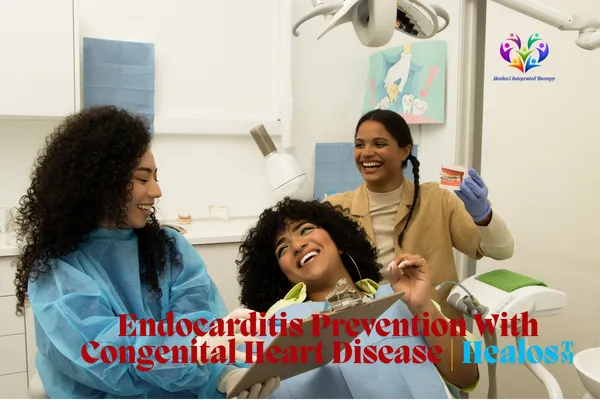
Endocarditis Prevention With Congenital Heart Disease | Healos™
Endocarditis Prevention With Congenital Heart Disease: Teeth, Tattoos and Antibiotics
Many adults with congenital heart disease remember a childhood rule: always take antibiotics before the dentist. Then, sometime in adulthood, a dentist or doctor says that isn't necessary any more. It's confusing, and the confusion can lead people either to worry unnecessarily or to miss protection they genuinely need.
Here is the short answer. Infective endocarditis is a serious infection of the heart's lining or valves, and some adults with congenital heart disease are at much higher risk. Current guidelines limit antibiotics before dental work to the highest-risk groups, such as people with prosthetic valves or material, prior endocarditis or certain unrepaired or residual defects. For everyone, daily oral hygiene and regular dental visits matter more, and persistent fever needs prompt medical attention.
Infection also stokes the inflammation that congenital hearts share with heart attack survivors (see one inflammation, three hearts), one more reason prevention is worth the effort.
简短的答案: 很多先心病成人记得小时候的一条规矩:看牙前一定要吃抗生素。成年后某一天,牙医或医生却说已经不需要了。这让人困惑,可能导致两种结果:要么无谓地担心,要么错过真正需要的保护。
感染性心内膜炎是心脏内膜或瓣膜的严重感染,部分先心病成人风险高得多;现行指南只建议最高风险人群看牙前用抗生素,例如有人工瓣膜或材料、曾患心内膜炎或某些未修复/残余缺损的人;对所有人来说,每天的口腔卫生和定期看牙更重要,持续发热需及时就医。
感染也会加剧先天性心脏与心梗幸存者共有的炎症,这是值得做好预防的又一个理由。
Why endocarditis matters with congenital heart disease
Endocarditis happens when bacteria in the bloodstream settle on damaged or artificial surfaces inside the heart, such as a repaired valve, a patch, a conduit or the edge of a residual defect. Abnormal blood flow and foreign material make those surfaces easier for bacteria to stick to, which is why many adults with congenital heart disease have a higher lifetime risk than the general population.
It is serious: in-hospital mortality from infective endocarditis is roughly 15–30% (Cahill & Prendergast, Lancet, 2016), and survivors often need long antibiotic courses or surgery. Prevention and early recognition make a real difference.
为什么先心病成人需要重视心内膜炎: 当血液中的细菌附着在心脏内受损或人工的表面——修复过的瓣膜、补片、管道或残余缺损的边缘——就会发生心内膜炎。异常血流和外来材料让这些表面更容易让细菌附着,所以很多先心病成人的终身风险高于普通人群。它很严重:感染性心内膜炎的住院死亡率约为 15–30%(Lancet 2016),幸存者常需要长疗程抗生素或手术。预防和早期识别能带来真正的差别。
Who needs antibiotics before dental work?
Guidance changed in 2007 and was reaffirmed in a 2021 American Heart Association statement (Wilson et al., Circulation, 2021). Antibiotics before certain dental procedures, those involving the gums or the tooth root, are now recommended only for people at highest risk, including:
Prosthetic heart valves, including catheter-placed valves, or prosthetic material used for valve repair.
Previous infective endocarditis.
Certain congenital heart conditions: unrepaired cyanotic congenital heart disease (including palliative shunts and conduits); completely repaired defects with prosthetic material, for the first six months after the procedure; and repaired defects with residual leaks or defects at or next to a patch or device.
Heart transplant recipients who develop valve problems.
European guidance (Delgado et al., European Heart Journal, 2023) is broadly similar. Your ACHD team decides which group you're in, so ask them directly and keep their answer, in writing, for your dentist.
谁需要在看牙前使用抗生素: 指南在 2007 年改变,并在 2021 年美国心脏协会声明中重申(Circulation 2021):只有最高风险人群在某些牙科操作(涉及牙龈或牙根的操作)前才建议使用抗生素,包括:
人工心脏瓣膜(包括经导管植入的瓣膜)或用于瓣膜修复的人工材料;
曾患感染性心内膜炎;
某些先天性心脏病——未修复的发绀型先心病(包括姑息分流和管道)、使用人工材料完全修复后的头六个月、修复后在补片或装置处或附近仍有残余漏或缺损;
发生瓣膜病变的心脏移植受者。
欧洲指南(Eur Heart J 2023)大体相似。你属于哪一类由 ACHD 团队决定,请直接询问,并把书面答复带给牙医。
Why your toothbrush matters more than antibiotics
Bacteria enter the bloodstream far more often from everyday activities, such as brushing, flossing and chewing, than from occasional dental visits, especially when gums are inflamed. That's why guidelines put daily oral hygiene ahead of antibiotics for preventing endocarditis (Wilson et al., Circulation, 2021).
Brush twice a day and clean between teeth daily.
See a dentist regularly, often every six months, and tell them about your heart condition.
Treat gum disease and tooth infections promptly.
Look after your skin too: treat cuts, acne and skin infections early, and avoid sharing razors.
为什么牙刷比抗生素更重要: 细菌进入血液,更多来自刷牙、使用牙线和咀嚼等日常活动,而不是偶尔的看牙,牙龈发炎时尤其如此。这就是指南把每天的口腔卫生放在抗生素之前的原因(Circulation 2021)。每天刷牙两次、每天清洁牙缝;定期看牙(常为每六个月一次),并告诉牙医你的心脏情况;及时治疗牙龈病和牙齿感染;也要照顾皮肤:及早处理伤口、痤疮和皮肤感染,不共用剃刀。
Tattoos, piercings and other procedures
Tattoos and piercings break the skin and can introduce bacteria. European guidelines advise people at high risk of endocarditis to avoid them, and anyone with congenital heart disease should discuss them with their ACHD team first (Delgado et al., European Heart Journal, 2023). If you go ahead, choose a licensed studio with strict sterile technique, follow aftercare carefully and report redness, swelling or fever promptly.
Other procedures, such as some endoscopies or surgery on infected tissue, may also need a plan; let every clinician know about your heart condition.
纹身、穿孔和其他操作: 纹身和穿孔会破坏皮肤并可能带入细菌。欧洲指南建议心内膜炎高风险人群避免这些操作,任何先心病患者都应先与 ACHD 团队讨论(Eur Heart J 2023)。如果决定去做,请选择严格无菌操作的持证工作室,认真做好术后护理,出现红肿或发热及时报告。其他操作(如部分内镜检查或感染组织的手术)也可能需要提前计划,请告诉每一位医生你的心脏情况。
Warning signs, and why blood cultures come first
Endocarditis often starts quietly. Contact your ACHD team or seek care promptly for:
Fever lasting more than a few days, or fever with chills or night sweats.
Unusual tiredness, aches or weight loss.
New or worsening breathlessness or palpitations.
Small painful spots on fingers or toes, or tiny red spots under the nails or in the eyes.
One important rule: if you might have endocarditis, doctors need blood cultures before antibiotics. Taking leftover antibiotics or a quick course "just in case" can mask the infection and make it much harder to diagnose and treat. Call 911 for signs of stroke, severe breathlessness or fainting.
警示信号,以及为什么要先做血培养: 心内膜炎常常悄悄开始,出现以下情况请及时联系 ACHD 团队或就医:
发热持续数天以上,或伴寒战、盗汗;
异常疲劳、酸痛或体重下降;新发或加重的气短或心悸;
手指或脚趾上有疼痛的小结节,或指甲下、眼睛里有细小红点。
一条重要规则:如果可能是心内膜炎,医生需要先做血培养,再用抗生素。自己吃剩下的抗生素或「以防万一」吃几天,可能掩盖感染,让诊断和治疗难得多。出现卒中征兆、严重气短或晕厥请拨打 911。
ACHD special considerations
Many adults with a Fontan circulation or heart failure have a fluid limit. Many take anticoagulants, which matters for dental work and any new medicine; tell your dentist, and don't stop anticoagulants for dental treatment unless your team advises it. Endocarditis risk depends on your exact repair, so keep your ACHD team's written advice up to date. Rhythm problems and cyanosis shape what's safe. Your ACHD team's guidance overrides any general advice, including ours.
ACHD 特别注意: 很多 Fontan 循环或心衰患者需要限制液体;很多人服用抗凝药,这关系到看牙和任何新药——请告诉牙医,除非团队建议,否则不要为看牙停用抗凝药;心内膜炎风险取决于你的具体修复方式,请保持 ACHD 团队书面建议的更新;心律问题和发绀决定什么是安全的。你的 ACHD 团队的指导高于任何通用建议,包括我们的。
How Healos™ supports adults with congenital heart disease
Healos™ works on the shared root between ACHD visits.
The 91-Day Protocol moves through Detox, Replenish and Repair, three stages of complementary cellular nutrition, with follow-ups at day 30 and day 60 (with a reminder to book your blood test) and a blood-test report review at day 90.
Sovereign Monthly · Protect continues that support month to month and can be cancelled any time.
Neither prevents or treats infection, and neither replaces dental care or your ACHD team's advice on antibiotics.
Healos 如何支持先心病成人: Healos™ 在 ACHD 复诊之间照顾共同根源:
91 天方案依次经过排毒、补给、修复三个阶段的辅助细胞级营养,第 30 天跟进、第 60 天跟进并提醒验血、第 90 天验血报告解读;
Sovereign Monthly · Protect 按月延续支持,可随时取消。
两者都不预防或治疗感染,也不替代口腔护理或 ACHD 团队关于抗生素的建议。
The bottom line
Not everyone with congenital heart disease needs antibiotics before the dentist, but some people really do, and your ACHD team decides which group you're in. For everyone, daily brushing, cleaning between teeth and regular dental visits are the strongest protection. Think twice about tattoos and piercings, report persistent fever early and make sure blood cultures come before antibiotics.
结论: 并非每位先心病患者看牙前都需要抗生素,但有些人确实需要,你属于哪一类由 ACHD 团队决定。对所有人来说,每天刷牙、清洁牙缝和定期看牙是最有力的保护。纹身和穿孔要三思,持续发热要尽早报告,并确保先做血培养再用抗生素。
Frequently asked questions
Do I need antibiotics before dental work with congenital heart disease? Only if you're in a highest-risk group, such as prosthetic valves or material, prior endocarditis, unrepaired cyanotic disease, the first six months after repair with prosthetic material, or residual defects next to a patch or device. Your ACHD team decides; keep their advice in writing for your dentist.
Can I get a tattoo or piercing with a heart condition? European guidelines advise people at high risk of endocarditis to avoid them. Anyone with congenital heart disease should discuss it with their ACHD team first and, if going ahead, use a licensed studio with strict sterile technique.
What are the signs of endocarditis? Fever lasting more than a few days, chills or night sweats, unusual tiredness or weight loss, new breathlessness or palpitations, and small painful spots on fingers or toes. Seek care promptly.
Why shouldn't I take antibiotics before blood cultures? Antibiotics taken before blood cultures can hide the bacteria, making endocarditis much harder to diagnose and treat properly.
常见问题: 先心病看牙前要吃抗生素吗?只有最高风险人群需要,如人工瓣膜或材料、曾患心内膜炎、未修复的发绀型先心病、使用人工材料修复后头六个月、补片或装置旁有残余缺损,由 ACHD 团队决定并书面交给牙医。可以纹身或穿孔吗?欧洲指南建议高风险者避免,所有先心病患者应先与团队讨论。心内膜炎有哪些信号?发热数天不退、寒战盗汗、异常疲劳或体重下降、新发气短或心悸、手指脚趾痛性小结节,请及时就医。为什么不能先吃抗生素?会掩盖细菌,让诊断和治疗难得多。
References
Wilson WR, et al. Prevention of viridans group streptococcal infective endocarditis: a scientific statement from the American Heart Association. Circulation. 2021;143(20):e963–e978.
Delgado V, et al. 2023 ESC Guidelines for the management of endocarditis. European Heart Journal. 2023;44(39):3948–4042.
Cahill TJ, Prendergast BD. Infective endocarditis. Lancet. 2016;387(10021):882–893.